Royal Holloway, King's College London and the University of Manchester have been awarded £4.9 million by the Economic and Social Research Council (ESRC) to lead the British Election Study (BES).

The British Election Study, which will be led by Royal Holloway from 2027, is the longest-running and most authoritative survey of electoral behaviour in the UK, tracking the attitudes and behaviour of British voters at every general election since 1964.
The new study, themed ‘Representing Voters’, places the representation of different groups of voters at the heart of its design, analysis and dissemination.
It will introduce new methods, new data and new ways of making the BES accessible to researchers, policymakers, journalists and the public by running two main types of survey.
First, after the next General Election, the BES will ask voters about their political choices, views and experiences, continuing the time series which began in 1964. The second, conducted between general elections, will run an annual panel survey around local election time, with waves before and another after the general election.
This survey will track the same participants over time, so researchers can see how their views change.
For both sets of surveys, the BES will invite people selected at random to take part, rather than relying only on people who have signed up to online survey panels.
In the next General Election, some participants will be interviewed face to face; others will complete the questionnaire themselves online or on paper. Comparing these approaches will help the team find reliable and affordable ways to hear from a wider range of voters and ensure the sustainability of survey research over the long term.
As part of the annual panel survey, the BES will collect data on the political information voters see on social media during campaigns.
The BES will also make innovations in questionnaire design, such as the use of a novel AI tool that helps respondents articulate their lived experience to obtain a more in-depth understanding of voters’ opinions.
Alongside its survey of the British electorate, the BES will also field an integrated survey of candidates running in the general election, supported by the Electoral Commission, enabling research on political representation.
Alongside high-quality data, the study will also deliver transformative public engagement.
An upgraded BES website incorporating a natural language AI interface, the BES-AII, will make BES data more accessible to non-specialist users than ever before.
Annual BES reports, co-authored by core team members and BES Fellows, will ensure findings reach academic, policy and public audiences.
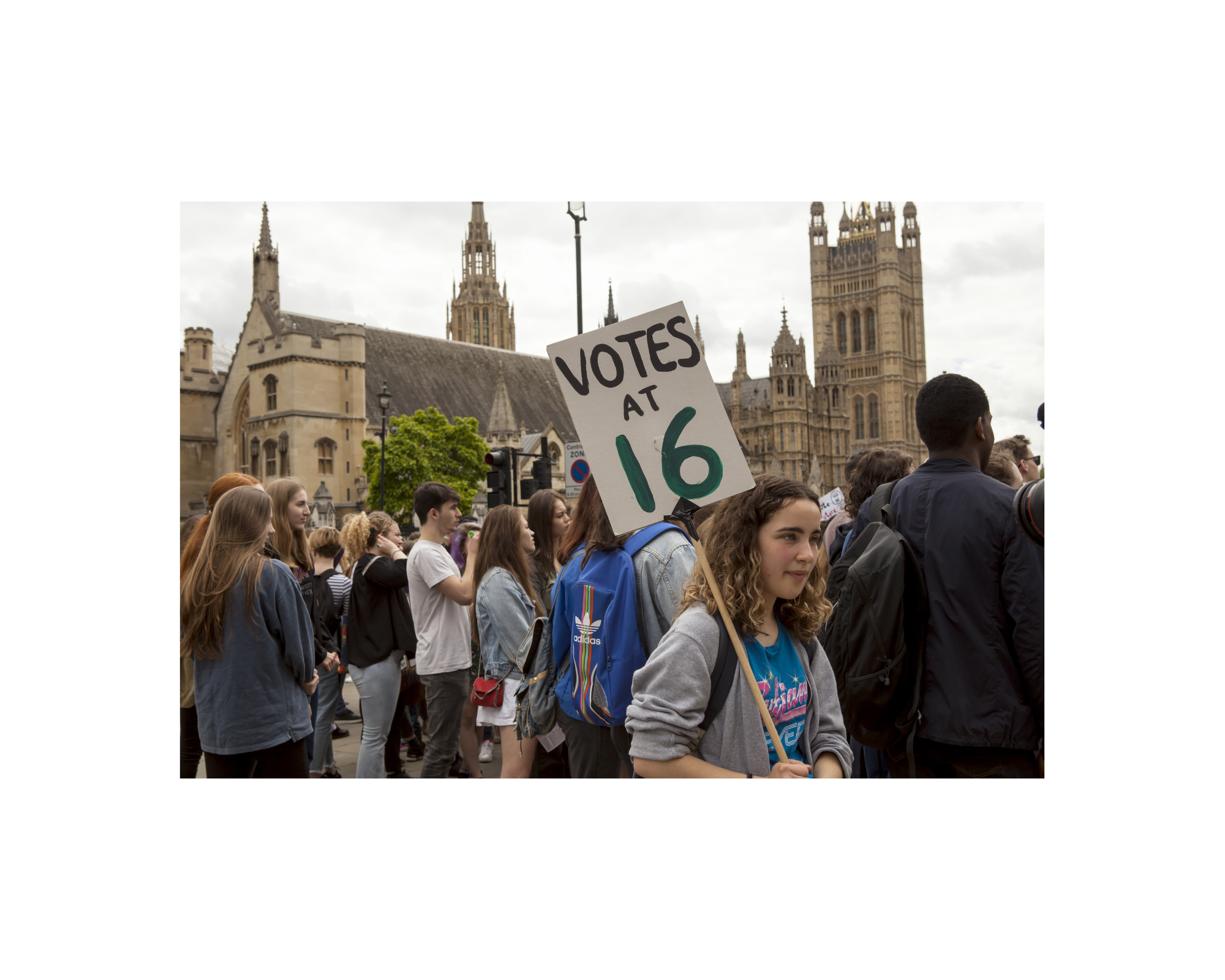
And a new voter information tool: The VIBE (Voting Insights for Better Engagement) tool, co-created with young people, will help the three million first-time voters better understand their political choices and where they stand.
Professor Oliver Heath, Principal Investigator at Royal Holloway, said: “The British Election Study is one of the great achievements of British social science; sixty years of data that has shaped our understanding of how democracy works in this country.
“At a moment when trust in democratic institutions is falling, the quality of our data has never mattered more. Our vision puts the representation of voters at its heart.
“This entails a commitment to making sure our surveys represents the groups most often left out, hard-to-reach voters with low levels of political engagement, marginalised communities, and first-time participants, so our data reflects the country as it really is.”
Professor Rosie Campbell, Co-Investigator at King's College London, added: “This award is a remarkable opportunity to do something genuinely new.
“Through the BES-AII we will make sure the insights we generate reach not just the academic community, but the citizens, teachers and policymakers who need them most.
“Democracy works better when people have access to good information, and that is what we intend to provide."
Professor Maria Sobolewska, Co-Investigator at the University of Manchester, said: “The British Election Study has always been about representation, understanding how different communities across Britain engage with democracy.
“This new award lets us go further: to study the candidates who stand before them, enabling the BES to capture a fuller picture of the electoral process, both voters and those who seek to represent them.”
The study will also strengthen Royal Holloway’s long-standing commitment to research and training in politics and electoral behaviour.
It builds on the University’s experience in interdisciplinary doctoral initiatives, including the recent Leverhulme Centenary Doctoral Scholarship grant to establish 'Next Generation Democracy: A Leverhulme Doctoral Programme on Adolescent Citizenship.'
Professor Ruth Livesey, Pro-Vice Chancellor at Royal Holloway, added: “The study's theme, Representing Voters, resonates deeply with our institutional values.
“A study that places the representation of marginalised and hard-to-reach groups at the centre of its design, including the 3 million young people voting for the first time in 2029, is precisely the kind of socially purposeful research that Royal Holloway is committed to supporting and hosting.”
The BES research team brings together 11 investigators across three institutions, combining expertise in electoral behaviour, survey methodology, AI, social media, candidate politics, and public engagement: Oliver Heath, Chris Hanretty, Chris Prosser and Kaat Smets from Royal Holloway; Rosie Campbell, Bobby Duffy and Max Falkenberg from King’s College London; Maria Sobolewska, Jack Bailey, Alex Cernat and Rob Ford from the University of Manchester.
The research team will also be supported by several project partners, including the Electoral Commission, the Oxford Social Media Observatory, The Mile End Institute, The Politics Project, DiscourseLab and the House of Commons Library.